
Understanding psychological effects of gambling on decision-making processes
Understanding psychological effects of gambling on decision-making processes
The Allure of Gambling
The psychological appeal of gambling is rooted in its ability to stimulate the brain’s reward system. When individuals gamble, they often experience a rush of excitement, which can lead to a sense of euphoria. This dopamine release not only reinforces the behavior but also creates an association between gambling and positive feelings. As a result, players may find themselves drawn back to casinos, lottery games, or online betting, believing they can replicate that initial thrill. Many options like australian casino online provide unique experiences that enhance this allure.
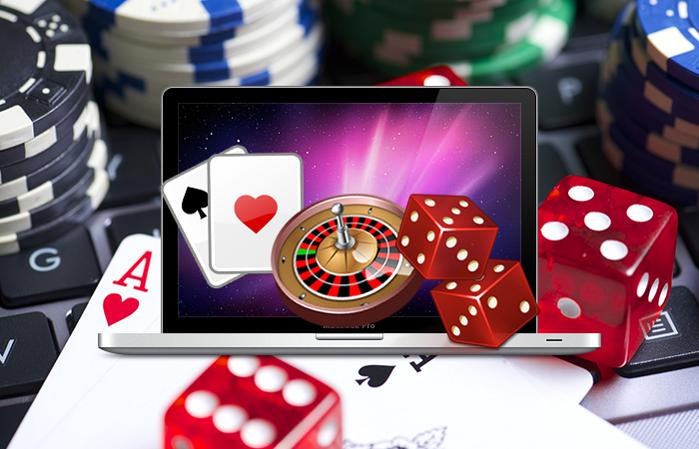
Moreover, the social aspect of gambling can further amplify its psychological effects. Engaging in games with friends or strangers fosters a sense of community and belonging. The thrill of competition, combined with the potential for monetary gain, can cloud judgment and impact decision-making processes, leading individuals to take risks they might otherwise avoid.
Cognitive Biases in Gambling
Cognitive biases play a significant role in how gamblers perceive risk and reward. One of the most common biases is the illusion of control, where individuals believe they can influence the outcome of a game of chance. This misplaced confidence can lead players to make irrational decisions, betting larger amounts based on the false belief that they have some control over the outcome.
Another prevalent cognitive bias is the gambler’s fallacy, where individuals mistakenly believe that past outcomes influence future results. For instance, if a slot machine hasn’t paid out in a while, players may feel it is “due” for a win. These cognitive distortions can severely skew decision-making processes, resulting in continued gambling despite losses.
Emotional Triggers and Impulsivity
Emotions play a critical role in gambling behavior. Many individuals gamble to escape negative feelings or stress, seeking a distraction from their daily lives. This reliance on gambling as an emotional coping mechanism can result in impulsive decisions, where individuals wager without fully considering the consequences.
Furthermore, the highs of winning can lead to an emotional rollercoaster, making it challenging for gamblers to walk away after a win. The excitement and adrenaline can cloud rational thinking, pushing individuals to gamble more in pursuit of that next exhilarating moment. Such impulsivity can lead to significant financial and emotional repercussions, complicating their decision-making process.
Addiction and Decision-Making
Gambling addiction is a serious psychological issue that significantly alters decision-making processes. Individuals struggling with this addiction may prioritize gambling over essential responsibilities and relationships. The compulsive need to gamble can take precedence, often leading to reckless financial choices and strained personal connections.
As addiction progresses, individuals may experience diminished impulse control and heightened risk-taking behavior. This shift can result in escalating wagers and a disregard for the consequences of their actions. Understanding the psychological impact of addiction is crucial for recognizing how it distorts decision-making processes and leads to a cycle of harm.

Resource and Support for Gamblers
Understanding the psychological effects of gambling is essential for both individuals and those around them. Resources and support systems are crucial for fostering awareness and providing guidance. Many organizations offer assistance for those struggling with gambling-related issues, helping individuals navigate their decision-making processes and regain control over their lives.
The importance of seeking help cannot be overstated. By addressing the psychological aspects of gambling, individuals can better understand their behaviors and make informed decisions that prioritize their well-being. Resources are available for anyone looking to learn more about responsible gambling and recovery options, offering pathways to healthier decision-making processes.